



Blog
Wyngate Dental of Bethesda
All-on-4 vs All-on-6: What’s the Difference?
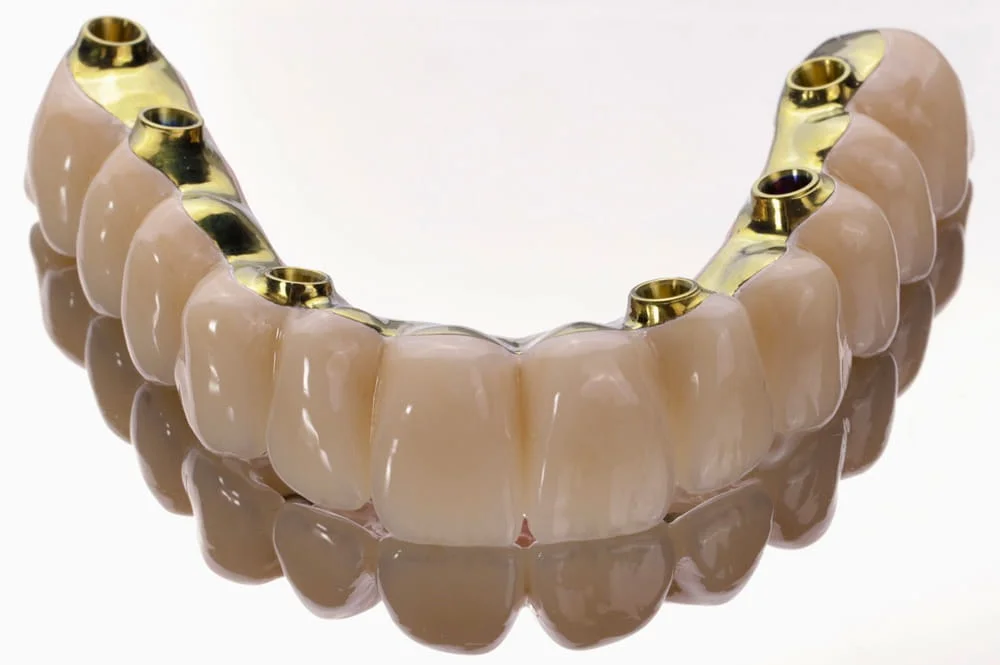
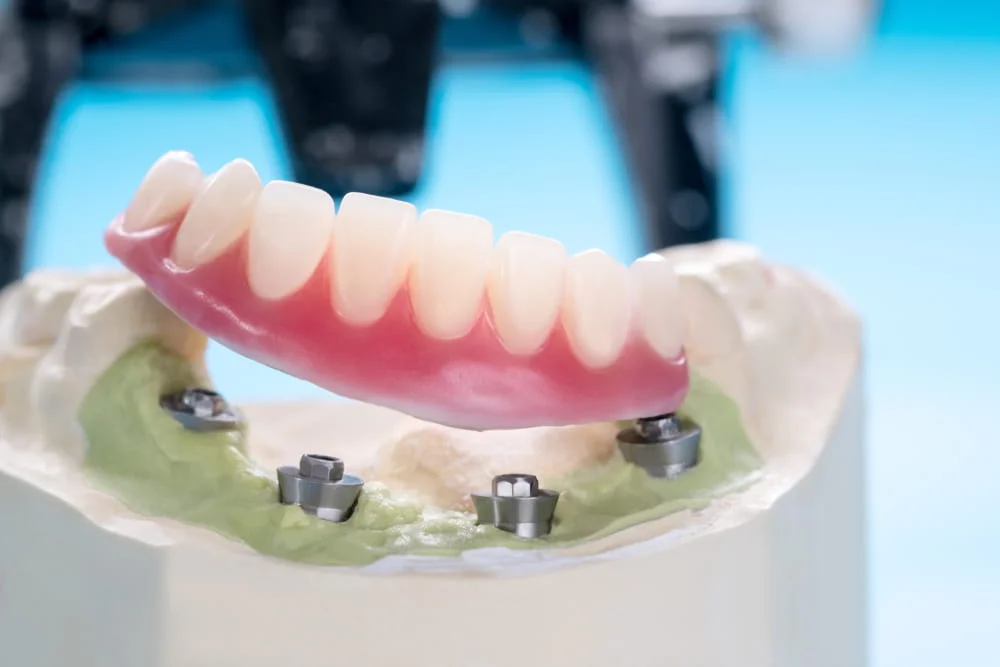
Patients exploring full-arch tooth replacement at Wyngate Dental of Bethesda in Bethesda, MD often come across two common options: All-on-4 and All-on-6 dental implants. Both solutions are designed to restore a full set of teeth using strategically placed implants to support a fixed prosthesis. While they share similarities, the number of implants used and the…
The Confidence Boost of Professional Teeth Whitening
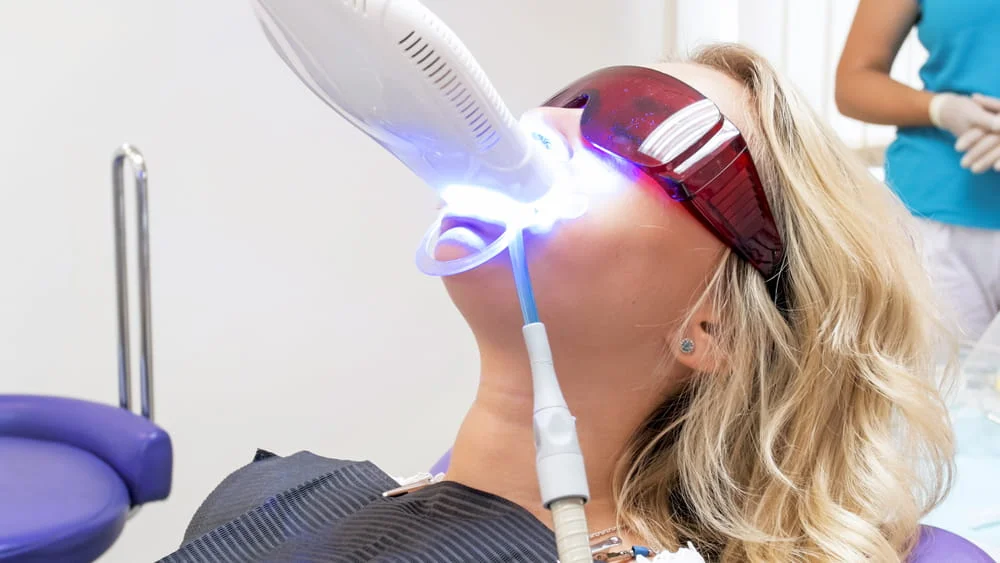
A bright smile can leave a lasting impression, and many patients at Wyngate Dental of Bethesda in Bethesda, MD are curious about how professional teeth whitening can enhance both appearance and self-confidence. Over time, teeth naturally become stained from coffee, tea, red wine, tobacco, and even certain medications. Professional whitening treatments offer a safe and…
Dental Implants vs. Bridges: What’s Best Long Term?
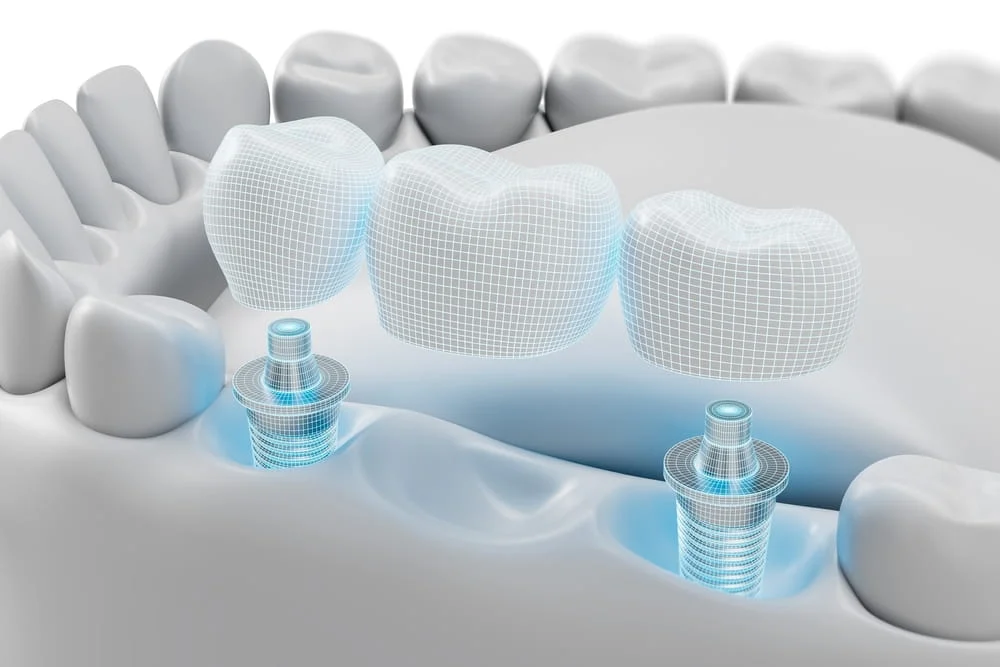
Patients at Wyngate Dental of Bethesda in Bethesda, MD often ask whether dental implants or dental bridges are the better long-term solution for replacing missing teeth. Both options are effective and widely used in restorative dentistry, but they differ in structure, longevity, and impact on surrounding teeth. Understanding these differences can help you choose the…
Invisalign vs. Traditional Braces: Which Is Right for You?
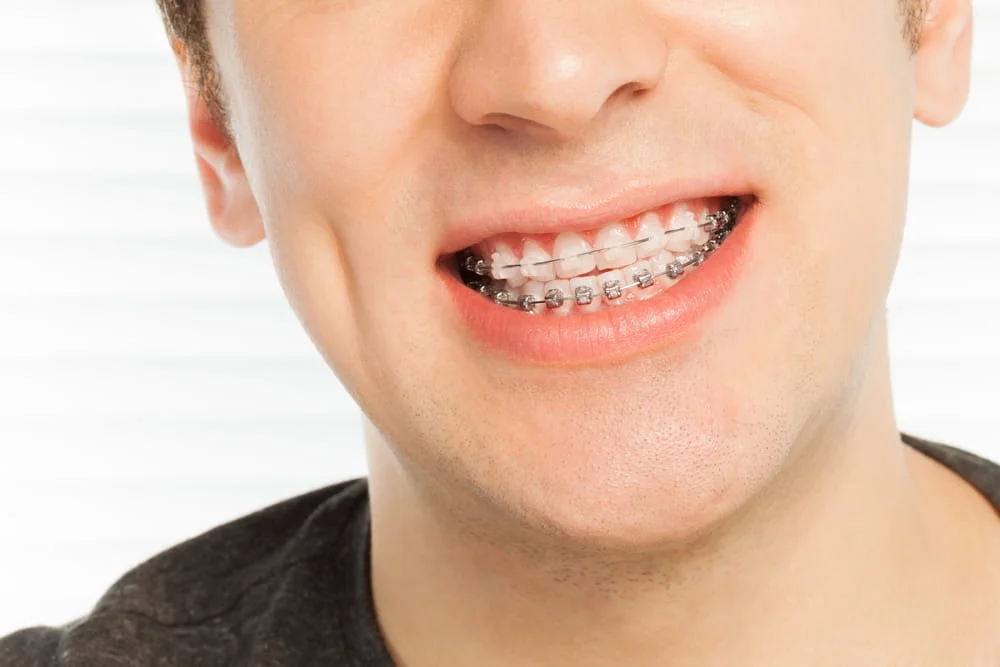
When patients visit Wyngate Dental of Bethesda in Bethesda, MD, one of the most common questions is whether Invisalign or traditional braces are the better choice for straightening teeth. Orthodontic treatment has evolved significantly over the years, offering more discreet and comfortable options than ever before. Understanding how each treatment works, along with their advantages…
What Are Implant-Retained Dentures?
Tooth loss can significantly affect daily comfort, confidence, and overall health. Traditional dentures have long been a reliable solution, but some individuals find them unstable or uncomfortable over time. Implant-retained dentures offer a modern alternative designed to improve stability and function. At Wyngate Dental of Bethesda in Bethesda, MD, multiple providers often educate patients about…
TMJ Disorders: Causes, Symptoms, and Modern Treatment
Jaw pain, clicking sounds, and chronic headaches are symptoms many people dismiss as minor annoyances. However, these concerns may point to a temporomandibular joint disorder, commonly known as TMJ or TMD. The temporomandibular joints connect the jawbone to the skull and allow for essential movements like chewing, speaking, and yawning. When these joints become irritated…