




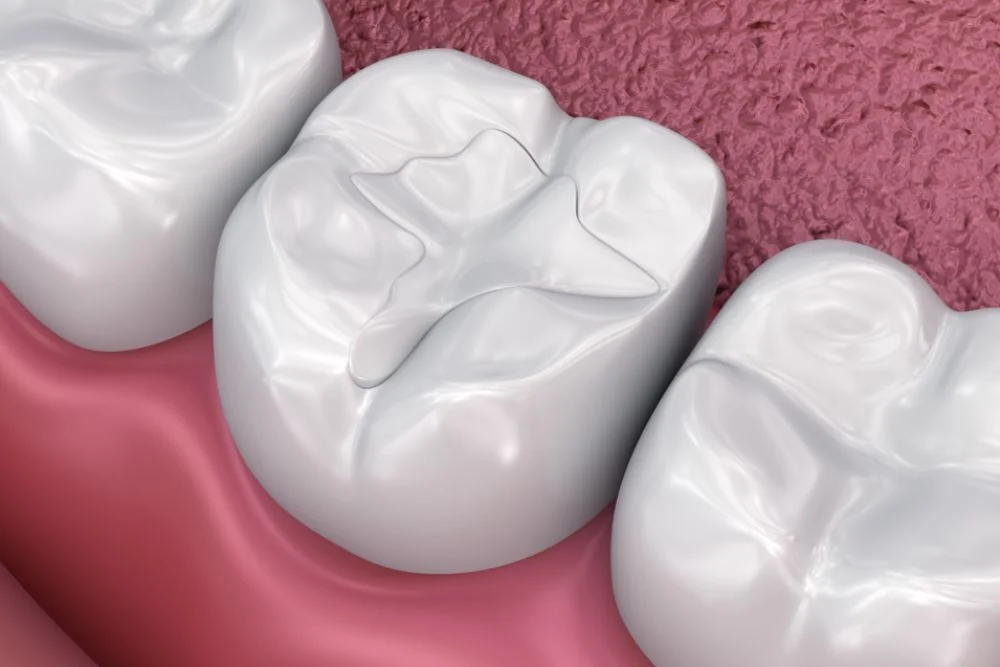
At Wyngate Dental of Bethesda, we offer tooth-colored fillings as a natural-looking solution for patients with cavities, minor tooth damage, or small areas of decay. Also known as composite fillings, tooth-colored fillings are made from a durable blend of resin and finely ground glass or quartz particles. The material can be carefully matched to the shade of your natural teeth, allowing the restoration to blend into your smile.
Unlike traditional metal fillings, composite fillings bond directly to the tooth structure. This allows our dentists to preserve as much healthy tooth structure as possible while restoring the strength, shape, and function of the affected tooth.
A Natural-Looking Approach to Restoring Teeth
Tooth-colored fillings can be used to treat small to medium-sized cavities as well as certain chipped, cracked, worn, or otherwise damaged teeth. Because the composite material is available in different shades, the finished restoration can be customized to closely resemble the surrounding enamel.
In addition to restoring the appearance of the tooth, a filling helps seal the area where decay has been removed. Treating cavities before they become larger can help prevent decay from progressing deeper into the tooth and potentially requiring more extensive dental treatment.
What to Expect During a Filling
Before placing a tooth-colored filling, our team will carefully evaluate the affected tooth and determine the extent of the decay or damage. The damaged portion of the tooth is removed, and the area is cleaned and prepared for the composite material.
The tooth-colored material is then applied directly to the prepared area and shaped to recreate the natural contours of your tooth. A specialized light is used to harden the material before the filling is adjusted and polished for a comfortable bite and smooth finish.
We use modern dental technology and techniques to make the filling process as comfortable and efficient as possible. In many cases, a tooth-colored filling can be completed during a single appointment.
Caring for Your Tooth-Colored Filling
Once your filling is complete, maintaining good oral hygiene can help protect both the restoration and the surrounding tooth. Regular brushing, flossing, and professional dental cleanings are important for reducing the risk of future decay.
Although composite fillings are designed to withstand normal biting and chewing, they can still experience wear over time. During routine dental examinations, our team can evaluate your existing fillings and check for signs of wear, cracking, or other concerns.
Frequently Asked Questions:
How long do tooth-colored fillings last?
Tooth-colored fillings can last for many years with proper oral hygiene and regular dental care. Their lifespan varies depending on the size and location of the filling, your bite, oral habits, and how well the restoration is maintained.
Can I eat and drink normally after getting a tooth-colored filling?
Composite fillings harden during the appointment, but your mouth may remain numb for a period of time if local anesthetic was used. It is generally best to wait until the numbness has worn off before chewing to avoid accidentally biting your cheek, lip, or tongue. Our team will provide specific instructions based on your treatment.
Are tooth-colored fillings better than metal fillings?
Both composite and metal fillings can be appropriate depending on the tooth and the patient’s needs. Tooth-colored fillings offer the advantage of closely matching natural enamel and bonding directly to the tooth structure. Our dentists can help determine which restorative option is most appropriate for your situation.
Can tooth-colored fillings repair chipped teeth?
Composite material can often be used to repair minor chips, cracks, or areas of wear. Whether a filling is appropriate depends on the location and extent of the damage. Larger areas of damage may require another type of restoration.
How do I know if I need a filling?
Some cavities cause sensitivity, discomfort, or visible changes to a tooth, while others may not cause noticeable symptoms at first. Regular dental examinations and diagnostic imaging can help identify areas of decay before they become more extensive.
Are tooth-colored fillings covered by insurance?
Coverage depends on your individual dental insurance plan. Many plans provide some coverage for fillings, although benefits can vary depending on the tooth and type of restoration. Our team at Wyngate Dental of Bethesda can help you understand your available benefits and anticipated treatment costs.